State Lawmakers Should Leverage Treasury Funds for A Fully Revitalized Ohio

By Lavea Brachman, Executive Director In the final hours of 2015, the Congressional spending bill redirected $2 billion of unspent mortgage relief funds for demolition programs that target blight in residential neighborhoods.  As much as $100 to $200 million in funding could come to Ohio -- thanks to advocates, such as Jim Rokakis at the Thriving Communities Institute in Cleveland.

The Greater Ohio Policy Center (GOPC) applauds the federal recognition that legacy cities, such as those older industrial cities that populate Ohio, need special attention and investments to support their long climb back to prosperity.  However, demolition is one tool in the toolbox local leaders need to eliminate those properties that encourage blight, destroy surrounding property values, and pose significant health and safety hazards. Mitigating residential blight through demolition must be accompanied by other measures, such as the preservation, renovation and rehabilitation of functional homes and commercial properties as well as reclaiming and reusing the many industrial sites located in our older communities. Pilot projects underway in Cleveland (e.g. Slavic Village) and Cincinnati (e.g. Evanston) neighborhoods suggest that a balanced approach combining rehab, demo and other neighborhood improvements can both provide affordable homes to those who need them and stem the tide of blight and abandonment. These constructive measures will go far to help our communities return to vibrancy.
sidewalk

While the thousands of acres of abandoned residential and commercial properties, decaying factories, abandoned gas stations, boarded-up strip malls and contaminated land that dot the Ohio landscape are eyesores and burden market recovery, they are also the assets of rebuilding our neighborhoods for tomorrow.  We need a balanced approach that both retains neighborhood fabric yet eliminates those properties that are significantly devaluing their blocks and causing the most egregious harm.  GOPC’s research has found that investments in these types of commercial and industrial opportunities can produce over $4 in additional economic activity for every $1 invested by the state and one more additional job for every one created through direct remediation.

We encourage local and state policymakers to think boldly about the ways to leverage new inflow of demolition dollars. GOPC, which specializes in the study and crafting of statewide revitalization policy, firmly believes that comprehensive revitalization strategy that addresses all types of blight and opportunity in our cities, villages, and townships will lead to a prosperous, sustainable Ohio.

Economists Believe 2016 Shows Promise for Ohio

By Alex Highley, Project Associate Panelists at the Columbus Metropolitan Club’s Blue Chip Economic Forecast offered bright expectations for Ohio in 2016. Gazing into their crystal balls, economists Bill Lafayette, Founder of Regionomics, and Ben Ayers, Senior Economist at Nationwide expressed their beliefs that net job growth will remain on the uptick and that Ohio will reflect the national incline. Still, in this statistically-dense session, the pair identified some job sectors that likely will continue to struggle and acknowledged that many people around the state would have trouble obtaining jobs.

2015’s job growth proved even better than Lafayette had expected this time last year. 22,000 net new jobs were created in central Ohio and this is a trend Lafayette believes will stay on course. He expects the education and health care sector to continue to thrive. Currently, one in four new jobs is created in this arena. Ayers and Lafayette also believe housing, technical services, and corporate management will do particularly well this year.

CMC economic forecast 2016

While central Ohio will probably see continued population and job growth this year, the fruits of this development can be enjoyed throughout the metro area. Areas such as Lancaster, Chillicothe, and Groveport can benefit from successes of Columbus’ growth. According to Lafayette, the rest of the Midwest lags behind central Ohio because it relies so heavily on the manufacturing industry. While much of the Ohio economy is built around manufacturing, there is still potential for job formation in other sectors. As discussed in GOPC’s report Regenerating America's Legacy Cities, assets in the heart of downtown, such as universities, medical centers, and government offices, represent the economic engine of any city. These fundamental resources employ thousands, spur economic activity, and build on their successes in surrounding neighborhoods.

Both panelists acknowledged that people from the Midwest tend to be more risk-averse and that this fear of failure when thinking of starting a business is perhaps holding Ohio back. If this attitude can be overcome, Lafayette thinks more people will pursue self-employed businesses in Columbus and throughout the state and that Ohio would be closer to fulfilling its business potential. GOPC works to ensure that business-friendly environments are prevalent throughout the state and that business owners in all neighborhoods and communities thrive and have the community-based tools to be successful job creators.

GOPC Legislative Update December 2015

By Lindsey Gardiner, GOPC Manager of Government Affairs The following grid is designed to provide you with insight into the likelihood of passage of the legislation we are monitoring. Please note that due to the fluid nature of the legislative process, the color coding of bills is subject to change at any time. GOPC will be regularly updating the legislative update the last Thursday of every month and when major developments arise. If you have any concerns about a particular bill, please let us know.

November Leg. Update Grid


Updates on Key Bills: greater-ohio-flag

greater-ohio-flag HB 303 UPDATE: HB 303 was unanimously passed out of the House chamber earlier this month with 92 affirmative votes. The bipartisan legislative proposal, which will give lenders an additional tool to work with homeowners who are at risk of foreclosure, is expected to be referred to a Senate committee at the beginning of 2016.

greater-ohio-flag HB 340 UPDATE: HB 340 is among one of the more active pieces of legislation this month and in fact became known as the “Budget Corrections/Christmas Tree Bill”. The bill, which was originally only three pages long, soon grew to 167 pages before it was reported out of the Senate Finance Committee. On December 9th, the House and Senate chambers agreed to various budget corrections in addition to the initial intent to renew the Local Government Innovation Council (LGIC) until December 2019. GOPC commends the Legislature for coming together to extend the LGIC, which has provided loans and grants for local government innovation projects to hundreds of communities across the state.


For more details and information on legislation that GOPC is tracking, please visit our Previous Legislative Updates.

GOPC’s 2015 Accomplishments & A Look Ahead

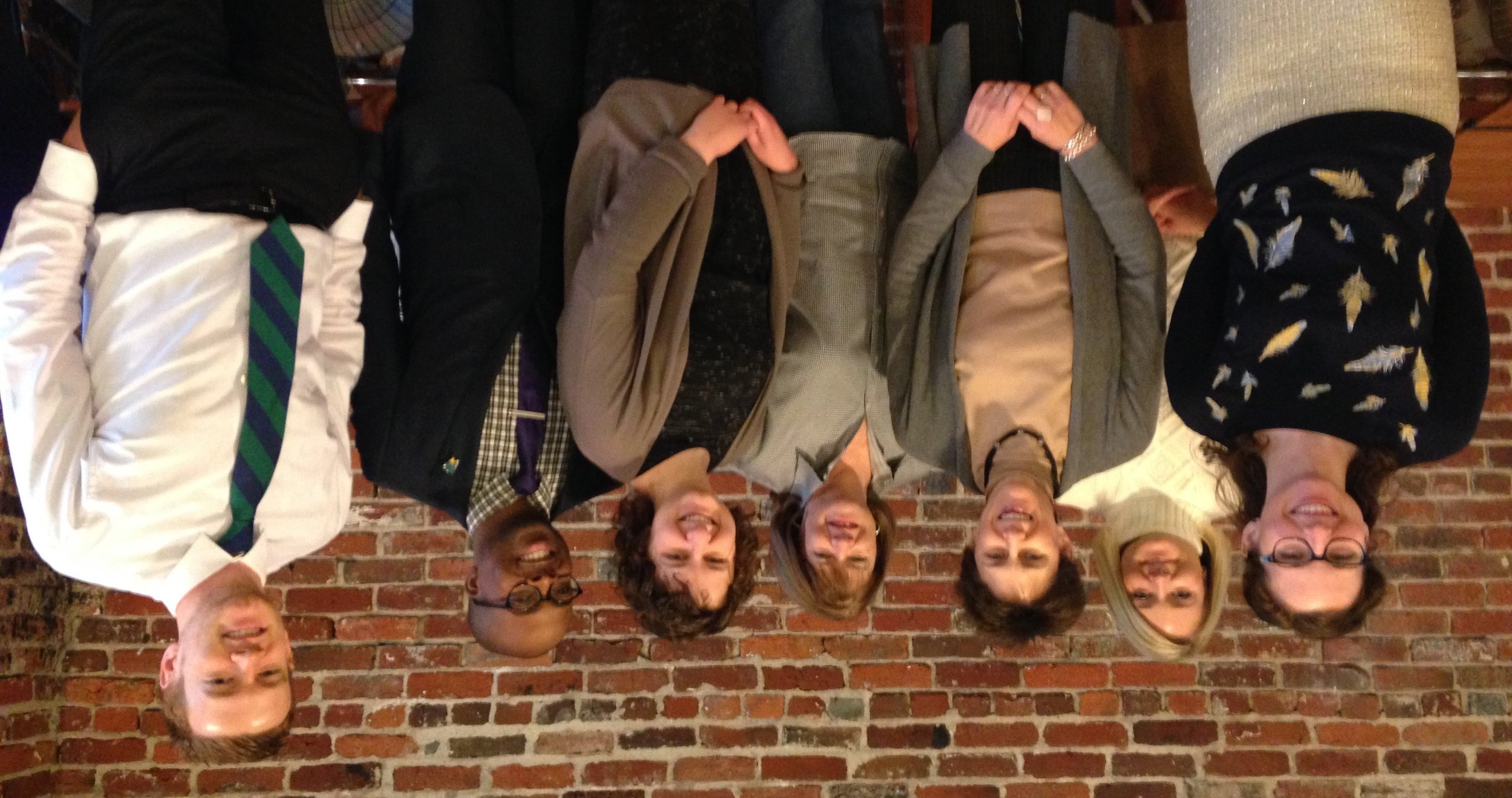
Dec Newsletter Photo Pictured from left: Alison Goebel, Lindsey Gardiner, Lavea Brachman, Meg Montgomery, Torey Hollingsworth, Sheldon Johnson, and Alex Highley.

2015 has been an eventful year around Ohio and has been filled with achievement and promise for GOPC. As a leader in championing revitalization and sustainable growth, GOPC has accomplished a lot in the past year, including:

Led Dialogue on Revitalization and Sustainable Regrowth in Ohio

  • Summit on Restoring Neighborhoods, Strengthening Economiesthat brought together national experts, state policymakers, and local leaders to recognize outstanding leadership and practices in revitalizing Ohio’s cities and to discuss new strategies to sharpen the state’s economic edge.
  • Roundtable on Rebuilding Neighborhood Markets to further GOPC’s effort to connect small business growth to areas with commercial vacant properties. The Neighborhood Development Center in St. Paul, MN and ProsperUS in Detroit, MI presented their successful models for property reuse.
  • Participated in over 15 events as speakers, panelists, or moderators

Successfully Influenced State Policy

  • Advanced Two Reforms for a Diversified Transportation System. GOPC is working with leading planning organizations—as well as other regional leaders—to develop and advance policies to support additional funding for public transit systems and multi-modal options throughout the state, as well as investment in existing infrastructure.
  • Helped Create Service Stations Cleanup Fund Program. GOPC offered interested party testimony to the Senate Finance Workforce Subcommittee on the Service Station Cleanup Fund. GOPC supported the creation of this program because it leverages initial investment for future economic development.

Published Original Research

  • Assessed Current State of Land Banking in Ohio. In May, GOPC released Taking Stock of Ohio County Land Banks: Current Practices and Promising Strategies , which analyzes how land banks operate in the larger context of community revitalization. The report highlights promising county land bank programs that have the potential to greatly contribute to sustainable economic and community redevelopment throughout Ohio.
  • Identified Challenges and Initial Solutions for Water & Sewer Infrastructure Improvements. With support from the Ohio Water Development Authority, GOPC recently released an Assessment of Needs for redeveloping sewer and water infrastructure to identify innovative financing options to assist communities with infrastructure modernization. GOPC is working with financing experts and MORPC and will release its Phase II recommendations in late 2016.
  • Financing in Opportunity Neighborhoods Report. This report analyzes neighborhoods in Ohio that are showing signs of stability but struggle to attract traditional financing because of credit gaps and other challenges. In this report, GOPC outlines potential interventions and innovative financing tools and strategies that can stabilize the housing market in these neighborhoods.

Provided Education and Strategic Assistance to Ohio’s Communities

  • Strategic Advice on the Formation of a Youngstown Center City Organization. GOPC is working the Wean Foundation and local partners to develop a process for creating a Youngstown Center City Organization. The YCCO will catalyze and coordinate economic development and community investment in Youngstown’s Central Business District and adjacent areas.
  • Commercial Vacant Property Redevelopment Webinars. GOPC partnered with the Ohio CDC Association to present four webinars as a “how to” for local leaders of legacy cities faced with commercial vacancies. Topics for the webinars included redevelopment planning, identifying successful tools and strategies, and overcoming financial gaps.
  • Continued Outreach to Practitioners and Leaders in Ohio’s Cities.  GOPC met regularly with leaders throughout the state around needed revitalization policies and policy reforms that will assist with neighborhood regeneration and sustainable redevelopment.

Coming in 2016…

In 2016, GOPC will continue working to ensure Ohio has robust, effective policies and practices that create revitalized communities, strengthen regional cooperation, and preserve Ohio’s green space by reducing sprawl. With partners from around the state and nation, GOPC will continue to investigate creative financing approaches to infrastructure improvements and neighborhood revitalization; advocate for a diversified transportation system, and support communities as they invest in themselves and their futures.

We believe GOPC offers strong leadership and unique skills to address critical issues and to ensure a prosperous future for the people of Ohio. And others agree; check out the New Video illustrating GOPC’s role in vital areas!

National Leaders Announce Release of Action Agenda for Historic Preservation in Legacy Cities

Urban Leaders and Landmark Experts Celebrate Newark’s Hahne & Company Revitalization As Example of How Historic Preservation Can Spur Development and Strengthen Legacy Cities Across the Nation Newark, New Jersey—Today, the Preservation Rightsizing Network (PRN) released a new Action Agenda for Historic Preservation in Legacy Cities, which lays out a wide-ranging plan to address urban challenges by advancing new development while protecting communities’ cultural heritage.

Tuesday’s release was accompanied by a public discussion co-hosted by Rutgers University – Newark with over 40 of the nation’s top urban development and historic landmark experts. As part of that discussion, PRN conducted a tour of the ongoing redevelopment of the historic Hahne & Company building, which is being highlighted as a  successful, collaborative approach that combined preservation and economic revitalization – a challenge in many legacy cities like Newark, Detroit, and more.

The Action Agenda for Historic Preservation in Legacy Cities — which can be accessed here — is a nine-point strategy that shapes a new approach to preservation, adapts existing tools and policies used by preservationists, and promotes place-based collaboration, especially in legacy cities like Newark, Detroit, and Cleveland (also known as Rust Belt cities or shrinking cities). By offering new strategies for protecting local cultural heritage, the Action Agenda serves as a guide for preserving the stories of Rust Belt cities and communities and make them more equitable, prosperous, and sustainable in the face of economic shifts. Using examples from Cincinnati, Buffalo, Detroit, and more, the Agenda offers suggested next steps, potential partners from preservation and allied fields, and financing and coalition-building toolkits for urban development and preservation advocates.

Emilie Evans, co-founder of Brick + Beam Detroit, an initiative that connects and supports building rehabbers in Detroit, said: “The Action Agenda provides clear steps legacy cities can take to leverage older buildings and local heritage as powerful assets for revitalization. It bolsters core tenets of Brick + Beam’s mission to support the rehabilitation of Detroit’s incredible older buildings, engage meaningfully with local property owners and tradespeople, and develop practical tools to move reinvestment projects forward.”

The Action Agenda was released in Newark in recognition of the leadership and partnerships demonstrated during the planning and redevelopment of the Hahne & Company building, which had sat vacant for over 30 years. The new development will include a full-line grocery store, affordable and market-rate housing, and a major arts program space and incubator conceived and implemented by Rutgers University-Newark and community partners including local artists, arts organizations, and other arts and culture anchor institutions in Newark.

Rutgers University Chancellor Nancy Cantor said: “The Action Agenda’s clarion call to carry forward the ‘legacy’ of legacy cities by preserving their stories entails an equally powerful call to amplify the voices of diverse new generations in retelling them. That is a challenge to all of us—in Newark and legacy cities like it everywhere—and it is precisely what we have in mind with our university-community collaboratory we are developing in the Hahne & Company building and precisely why we think the name of our collaboratory, ‘Express Newark,’ is so apt. We are thrilled to be working with the Preservation Rightsizing Network to advance this shared agenda.”

The Preservation Rightsizing Network meets annually to bring leading preservationists and allies together and supports local leaders in generating national conferences on historic preservation in legacy cities, including a previous conference held in Cleveland (2014) with another scheduled for Detroit (2016).

President of the Lucas County Land Bank, David P. Mann said: "Faced with unprecedented economic challenges and property abandonment, legacy cities must seize new tools and new strategies in order to preserve all that makes them special. This Action Agenda is a smart step in that direction, not just to help save historic assets, but to ensure that the voice of the historic preservation movement is heard in this important and ongoing conversation."

Cleveland City Councilman Jeffrey Johnson said: “Historic preservation is vital in the revitalization of Cleveland. Our history, as told through the older buildings and neighborhoods, is the foundation on which our community must rebuild.”

GOPC Legislative Update November 2015

By Lindsey Gardiner, GOPC Manager of Government Affairs The following grid is designed to provide you with insight into the likelihood of passage of the legislation we are monitoring. Please note that due to the fluid nature of the legislative process, the color coding of bills is subject to change at any time. GOPC will be regularly updating the legislative update the last Thursday of every month and when major developments arise. If you have any concerns about a particular bill, please let us know.

November Leg. Update Grid

Updates on Key Bills: greater-ohio-flag

greater-ohio-flag  HB 134 UPDATE: HB 134 has continued moving through the legislative process. Last week, the bill was passed out of the House of Representatives with 88 affirmative votes and zero objections. HB 134 is now on its way to the Senate where it will await referral to its respected committee. GOPC will continue to monitor HB 134 and looks forward to offering support as the legislation makes its way through the Senate.

greater-ohio-flag HB 233 UPDATE: HB 233 was unanimously voted out of the House chamber on October 27th with 91 affirmative votes. Earlier this month, the bill that proposes to establish Downtown Redevelopment Districts, was referred to the House Ways and Means Committee. GOPC anticipates HB 233 will be received well in committee and we look forward to offering support for the bill as it makes its way through the Senate.

greater-ohio-flag HB 303 UPDATE: As we reported last month, HB 303 had its first hearing with the House Financial Institutions, Housing and Urban Development Committee on October 20th. Since then, the committee held a second hearing, where GOPC offered interested party testimony in support of the proposal. Before the conclusion of HB 303's second hearing, a substitute bill was accepted by the committee, which made changes to the Ohio Housing Finance Agency’s (OHFA) authority over the program. It was noted that the change was in agreement between OHFA and the bill sponsors. There were no objections to the sub bill and the committee unanimously approved HB 303 to be sent to the House floor. For more detailed information, please see the HB 303 Comparison Document.

greater-ohio-flag HB 340 UPDATE: HB 340, which proposes to extend the Local Government Innovation Council (LGIC) for another four years, continues to move through the Legislature at lightning speed. On October 27th, the bill was unanimously passed out of the House with 91 affirmative votes. Earlier this month, HB 340 was referred to the Senate Finance Committee and just last week, the bill has already had its first hearing. The LGIC expires at the end of December, and GOPC is ready to provide support as it continues through the second phase of the legislative process.

NEW Bills & Explanation of Bill Impact on Economic Development within Ohio:

SB 232 is sponsored by Senator Kevin Bacon (R-Columbus). This bill deals with the consequences of divorce, dissolution, or annulment on a transfer on death designation on an affidavit or deed that designates a spouse as the real property owner’s beneficiary. Currently Ohioans who execute a transfer on death designation affidavit or transfer on death deed are required to amend or revoke either document following a divorce to ensure that their spouse has no claim to their property. SB 232 intends to address the issue that an increasing number of Ohioans are seeking divorce without the advice or an attorney, who would ordinarily advise that they make these changes. GOPC is interested in this bill as it will help ensure properties are transferred to appropriate end-users; therefore, preventing blight within communities.

SJR 3 is sponsored by Senator Joe Schiavoni (D-Boardman). Senate Joint Resolution (SJR) 3 calls for state and federal legislation to assist communities across Ohio to improve outdated sewer and water systems. The proposal would allow the state to issue up to $100 million per fiscal year over a 10 year period for sewer and water capital improvements in cities, counties and townships. Senator Sherrod Brown (D-Ohio) shares Senator Schiovoni’s commitment to giving Ohio communities more resources to pay for critically important water and sewer infrastructure. GOPC believes there is a great need for additional funding to update Ohio’s water infrastructure and we are continuing to explore potential mechanisms for such funding. Please see our recent report titled “An Assessment of Ohio Cities' Water and Sewer Infrastructure and Brownfield Sites Redevelopment: Needs and Gaps.


For more details and information on legislation that GOPC is tracking, please visit our Previous Legislative Updates.

Upcoming Event on Legacy City Preservation!

On Tuesday, December 8 from 6:00 – 8:30 pm, Greater Ohio Policy Center will co-sponsor an event called Legacy City Preservation: A National Conversation on Innovation + Practice. This free public event in Newark, New Jersey will showcase exciting new approaches to preservation in legacy cities to align with the launch of the game-changing Action Agenda for Historic Preservation in Legacy Cities.

More information is here: http://rightsizeplace.org/actionagenda/

Legacy-City

Ohio Cities Boost Downtown Revitalization with Waterfront Parks

By Sheldon K. Johnson, Urban Revitalization Project Specialist In 2010 the Greater Ohio Policy Center, along with the Brookings Institution’s Metropolitan Policy Program, published Restoring Prosperity: Transforming Ohio’s Communities for the Next Economy. This report is a comprehensive blueprint for transitioning Ohio into an economy that is export-oriented, lower-carbon, and innovation-fueled. Ohio’s metropolitan areas— encompassing urban, suburban, and rural places— are home to the necessary resources that will lead the state into the next economy. GOPC’s Restoring Prosperity agenda is focused on advocating for state and local initiatives that will leverage these prosperity drivers.

riverfront

One recommendation from the Restoring Prosperity report was to create a state-level “Walkable Waterfronts” initiative that supports local efforts to revitalize urban riverways and lakefronts. In recent years two Ohio cities celebrated the opening of waterfront parks that seek to boost their downtown revitalization initiatives. In May of 2012 the first phase of the John G. & Phyllis W. Smale Riverfront Park opened in Cincinnati and this past week the Scioto Greenways Park opened in Columbus.

These two projects are fantastic examples of leveraging Ohio’s natural resources as prosperity drivers. Numerous studies show that urban greenspaces are important amenities that have the potential to yield economic benefits in addition to tremendous environmental and social benefits.

Cincinnati and Columbus are only two of the metropolitan areas in Ohio with idyllic waterways. Cities ranging from Toledo to Marietta to Hamilton to Youngstown are built on waterways that present opportunities for recreational use, quality of life enhancement, and economic development. GOPC celebrates the progress being made, but will continue to advocate for walkable waterways throughout the state.

US EPA Case Studies on Vacant Land Feature Ohio Cities

Re-posted from Youngstown Neighborhood Development Corporation: 

http://yndc.org/news-media/youngstown-featured-epa-vacant-land-case-studies

The U.S. Environmental Protection Agency’s Region 5 recently compiled current practices on vacant lot greening as a resource on issues of stormwater management, construction specifications, job training, property maintenance and funding. This research provides a snapshot of greening practices conducted by 11 spotlight cities including non-profit organizations, municipal offices, land banks and a sewer authority.

Spotlight cities and corresponding organizations include:

  • Baltimore, Md. – City of Baltimore, Office of Sustainability.
  • Buffalo, N.Y. – Buffalo Sewer Authority.
  • Cincinnati, Ohio – Keep Cincinnati Beautiful.
  • Cleveland, Ohio – Cleveland Botanical Gardens.
  • Detroit, Mich. – The Greening of Detroit.
  • Flint, Mich. – Genesee County Land Bank Authority.
  • Grand Rapids, Mich. – City of Grand Rapids, Economic Development Corporation.
  • Indianapolis, Ind. – Keep Indianapolis Beautiful.
  • Philadelphia, Pa. – Pennsylvania Horticultural Society.
  • Warren, Ohio – Trumbull Neighborhood Partnership.
  • Youngstown, Ohio – Youngstown Neighborhood Development Corporation.

This research supports U.S. EPA’s Office of Sustainable Communities’ technical assistance to the Genesee County Land Bank in Flint, Mich., on vacant lot greening strategies. Later this year, individual cities will be speaking about their own greening programs in a series of webinars hosted by EPA’s Office of Sustainable Communities. These webinars will provide current practices to other cities seeking to manage their portfolio of vacant properties.

Steubenville Summit Generates Ideas to Reinvigorate Historic Downtown

Guest Post by Evan Scurti, Executive Director of the Jefferson County Port AuthorityThis past October, the City of Steubenville, Board of Jefferson County Commissioners, and the Jefferson County Port Authority took the first step in a long-term journey of sustainable growth and reinvestment in historic downtown Steubenville. "Investing in the Ville--A Real Estate and Business Development Summit" was created through the collaborative efforts of the three local governments, a steering committee of passionate citizens, and sponsorship money and services from local merchants. The event exceeded expectations by welcoming over 100 local and regional developers, investors, building owners, and interested citizens. Organizers agreed that this successful inaugural event is only the beginning of a series of interconnected strategies focused on reinventing the CBD of a historic city that is striving to reposition itself in a new global economy. While the old steel mills employing tens of thousands on both sides of the Ohio River no longer exist as an anchor to support bustling downtowns, there is currently great potential for Ohio Valley growth as new industries like oil and gas extraction emerge. Steubenville's leaders are focused on guiding that growth back to the historic and large urban core of the city.

steubenville

Aerial shot of Steubenville, Ohio

The event featured Keynote Speaker Franzi Charen, Executive Director of the Asheville Grown Alliance, a nonprofit supporting grassroots development and local entrepreneurship efforts in Asheville, North Carolina's downtown. Franzi's message resonated with the Steubenville crowd, as Asheville has also had to adapt to industrial economy changes in sectors like textiles. Through the vision of creative local developers and entrepreneurs, Asheville has diversified its economy and strengthened its tourism trade, which are both goals that Steubenville is beginning to adopt as its own. To help make downtown Steubenville a renewed destination for locals as well as visitors, the City administration has developed an exciting streetscape and civic plaza vision for the heart of the CBD. Consultants' overviews of these plans followed Franzi's address. The event culminated in an inspiring address by a longtime downtown business owner and resident who emphasized the safety and strong potential of the CBD and a walking tour of prime development opportunities that are ripe for new visions.

Event organizers have agreed that this should be the beginning of an annual effort to celebrate successes, invite and brainstorm building reuse ideas, track the CBD's vacancy rate, and reassess the overall downtown plan. Downtown Steubenville is a special place with a large, impressive built environment. Local leaders are showing great commitment to current and future generations by engaging in the best kind of smart economic development--rebuilding and reusing the infrastructure and wonderful buildings erected by past generations. We firmly believe in, and will work toward, this event growing into a regional movement to renew one of Ohio's most unique places with enormous potential.