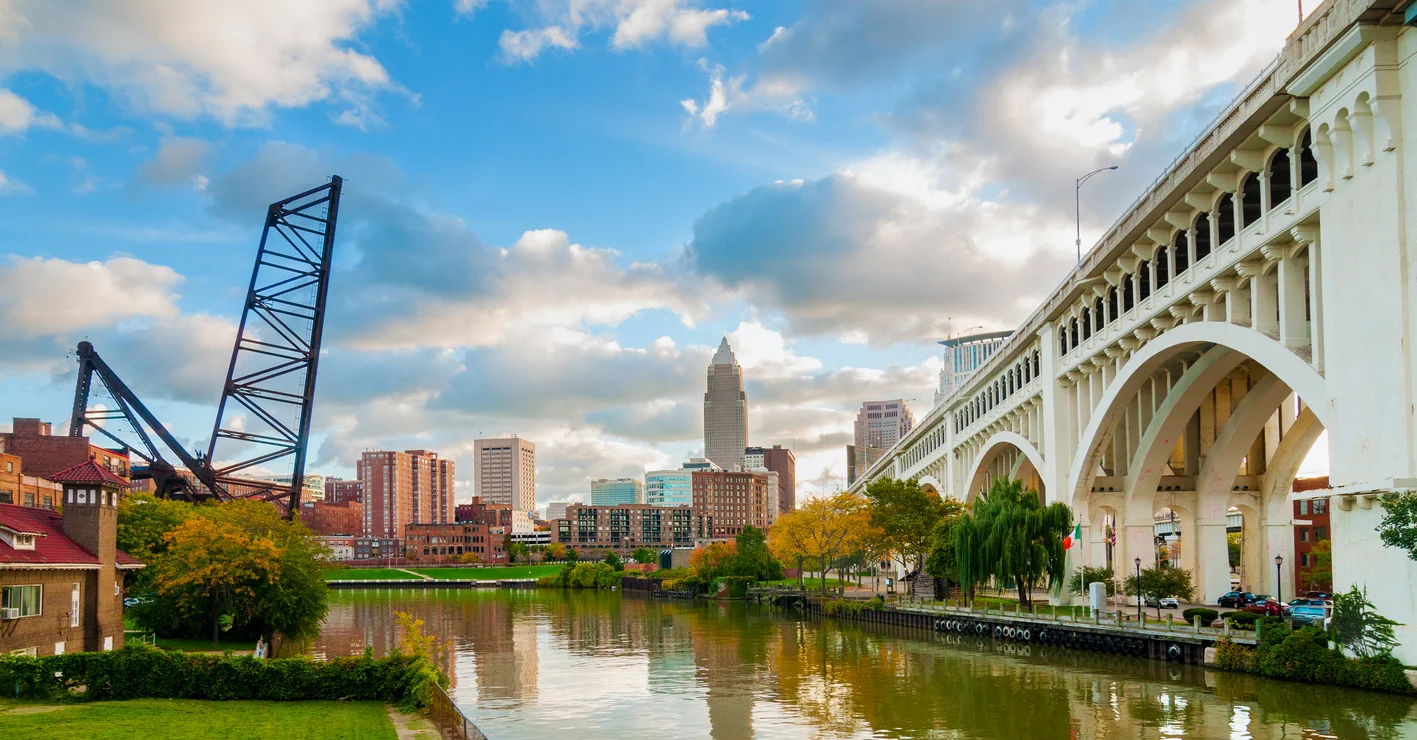
Regionalism Beyond State Boundaries- a glance into Pittsburgh

Pittsburgh, PA made the front page of The New York Times today for its successful efforts to overcome its older industrial legacy. The city which was once in worse condition than most cities in the Mid-West, including Detroit, is now enjoying a low unemployment rate relative to the national average as well as an increase in housing prices. The city has worked hard to diversify its industry and may offer some best practices to help other Mid-West cities overcome the woes of their industrial past. Read the full article Not only does the success of Pittsburgh offer hope to ailing cities, it also supports the case for regional collarboration, a major tenet of the Restoring Prosperity to Ohio effort. Often, when people think of regional collaboration it is limited to state boundaries however this in not necessarily the case.

Steubenville, Ohio, which considers itself the "Burb of the Burgh" is one example of how state boundaries are becoming more porous. Downtown Steubenville is less than 30 miles from the Pittsburgh International Airport and is using its strategic location to purchase advertisements in the Pittsburgh area targeting businesses to relocate in Jefferson County.

Another example of cross-border collaboration is the Cleveland-Pittsburgh-Youngstown network which gives the three cities an opportunity to explore common concerns, share best practices, and identify opportunities for collaboration. One product of this network is the "Tech Belt Initiative" which aims to draw more private and federal dollars into tech-based development. (Read the full article)

As the possibility for multi-state regionalism increases it poses the questions, first; how do you create awareness of potential areas for collaboration and second; how do you create a funding stream for projects the costs one state money while benefitting another state (e.g. if light-rail line is constructed between Steubenville and Pittsburgh, Pennsylvania aquires most of the cost while Steubenville receives the benefits)?

A New Year with Exciting Potential for Regionalism

Happy New Year from Greater Ohio! 2009 has great potential for the Restoring Prosperity to Ohio Initiative and exciting events are already occurring. One is the announcement from the Ohio Speaker of the House, Armond Budish, which pushes for regionalism in Ohio. Regional collaboration and governance is a major focus of the Restoring Prosperity Initiative and we are excited to work with legislators and Ohio leaders to put this into practice. Read the full article for more information.

We would also like to hear your thoughts on this new proposal. Is regional collaboration a possibility in Ohio? What are the major obstables to its implementation?  Are there examples of this already occuring?

How do we Restore a sense of pride in Ohio?

As we advance the Restoring Prosperity initiative, it is vital that we address concerns and receive feedback on our proposals to restore Ohio. As you may know, the initiative designates four policy areas that drive prosperity: Human Capital, Infrastructure, Innovation, and Quality Place. However, before we can focus on these four policy areas, we need to remember why we are doing this in the first place…because Ohio is a great state!

So the question is: what can we do to change the negative attitudes which pervade the state and restore a sense of pride in Ohio and its communities?

Toledo talks about sustainable Planning

Greater Ohio's Co-Director, Gene Krebs, ventures to TMACOG in Toledo, Ohio to discuss how to move from crisis mitigation mode to long term stability, and fiscal planning including building the cost of maintenance into the cost of new development. Visit the Glass City Jungle Blog to read more Are you interested in having Greater Ohio speak to your organization. Contact Ann Seller, Greater Ohio's Project Coordinator for more information (614.258.6200 or aseller(at)greaterohio(dot)org).

Reinventing Cities- A worldwide phenomenon

The Corra Daily Planet Blog highlights A Tale of Seven Cities, a new book written by Adam Smith, an academic from the London School of Economics. The book tells how seven older European cities revived and restructured, after the catastrophic downturn in the seventies and eighties and claims that there are lessons to be learned from these examples which are applicable to a cities around the world. Greater Ohio requested several copies of the book and is using these stories to create hope for a brighter economic future in Ohio.

Read more about A Tale of Seven Cities on the Cora Daily Planet blog.