
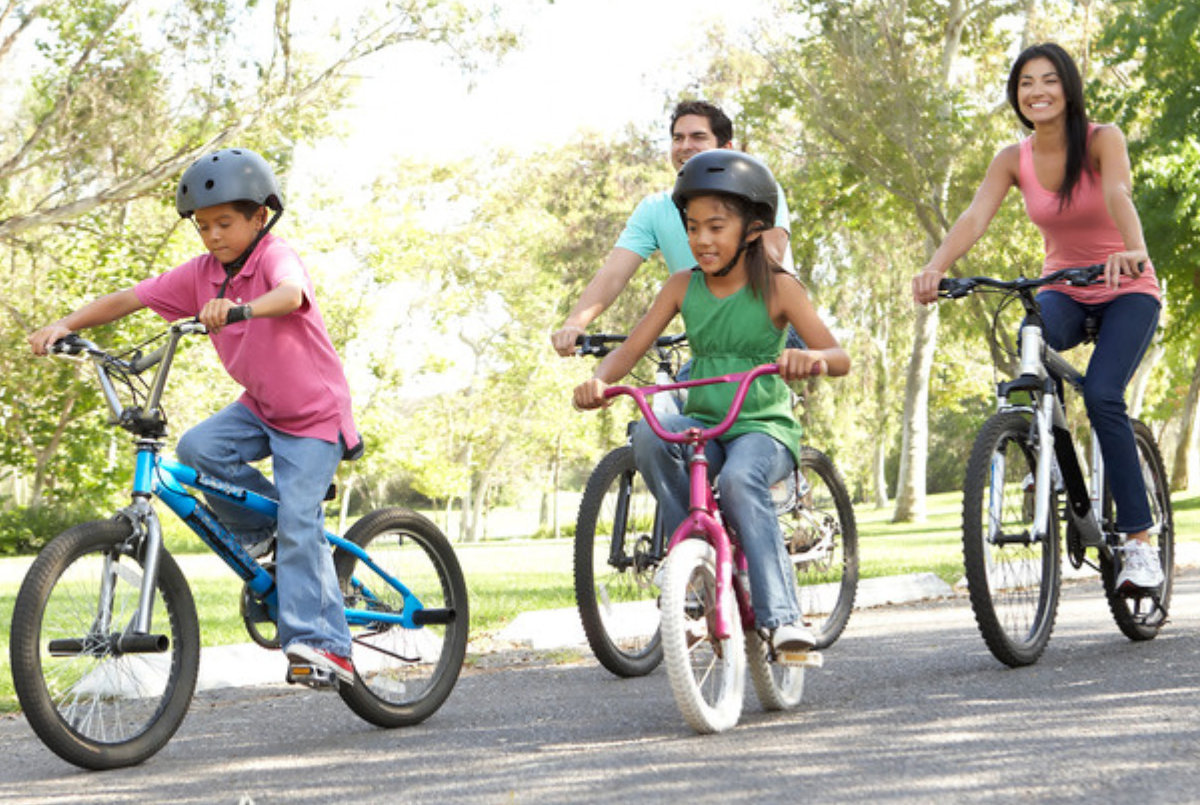
After a long winter, light is appearing at the end of the tunnel. We will soon see the return of warm weather and ideal conditions for outdoor activity, including cycling, running, and walking.
We spend lots of time advocating for more active transportation infrastructure, safer streets, and more to help promote more active transportation. But what about maintaining existing infrastructure?
Spring’s arrival inspired us to take a look at proper tips and tricks for maintaining active transportation facilities to help increase access, mobility, and safety. The U.S. Department of Transportation’s Federal Highway Administration has an entire book, Guide for Maintaining Active Transportation Infrastructure for Enhanced Safety.
Here are the top tips we found for ensuring that active transportation infrastructure is at optimal condition for users as traffic increases in the weeks ahead.
Cracking Repairs
Cracking can cause trip hazards as well as hazards for bicyclists and wheelchair users. Using a polymer-modified and asphalt rubber sealants for concrete and asphalt sidewalks and paths, or a mortar mix for larger cracks in concrete sidewalks is recommended. This is most suitable for cracks that are between 0.25 and 0.5 inches in length. Depending on the repair method, depth of the crack, and underlying stress on the sidewalk, this repair will last a few years and will only prevent water infiltration.
Vegetation Maintenance
Street trees and other plants adjacent to the sidewalk are a beneficial street amenity for a variety of reasons, but growth encroaching upon sidewalks and paths is a serious condition that requires maintenance. Vegetation should not be allowed to protrude into the sidewalk. Sightlines to driveways and intersections should also be maintained for pedestrian safety. In addition, the surface of the sidewalk should be kept free of vegetative debris.
Maintaining Pavement Markings
Heavy traffic and winter weather will deteriorate pavements markings over the course of a year, including markings on roadways, multi-use trails, and bike lanes. Long-line markings for bike lanes, especially those adjacent to vehicle lanes should be prioritized for refreshing on a regular interval as well as after seasonal weather events.
More of these tips and recommendations can be found in the Guide for Maintaining Active Transportation Infrastructure for Enhanced Safety from the Federal Highway Administration.