

In November 2026, Ohio will elect a new Governor, Lt. Governor, and a new two-year Ohio General Assembly.
In anticipation of fresh opportunities for policy change and programmatic adjustments, the Greater Ohio Policy Center (GOPC) has released its 2027-2028 public policy agenda: Revitalizing Ohio: A Blueprint for Stronger Communities.
This agenda outlines a bold agenda for Ohio’s next Governor and General Assembly that leverages brownfields, legacy cities, housing, and transportation systems as competitive assets for Ohio.
As Ohio’s champion of legacy cities and places, our ultimate goal is to make this a state where every community and resident has the opportunity to prosper.
GOPC believes candidates should have answers and plans for the following questions.
Remediating Brownfields for Stronger Places
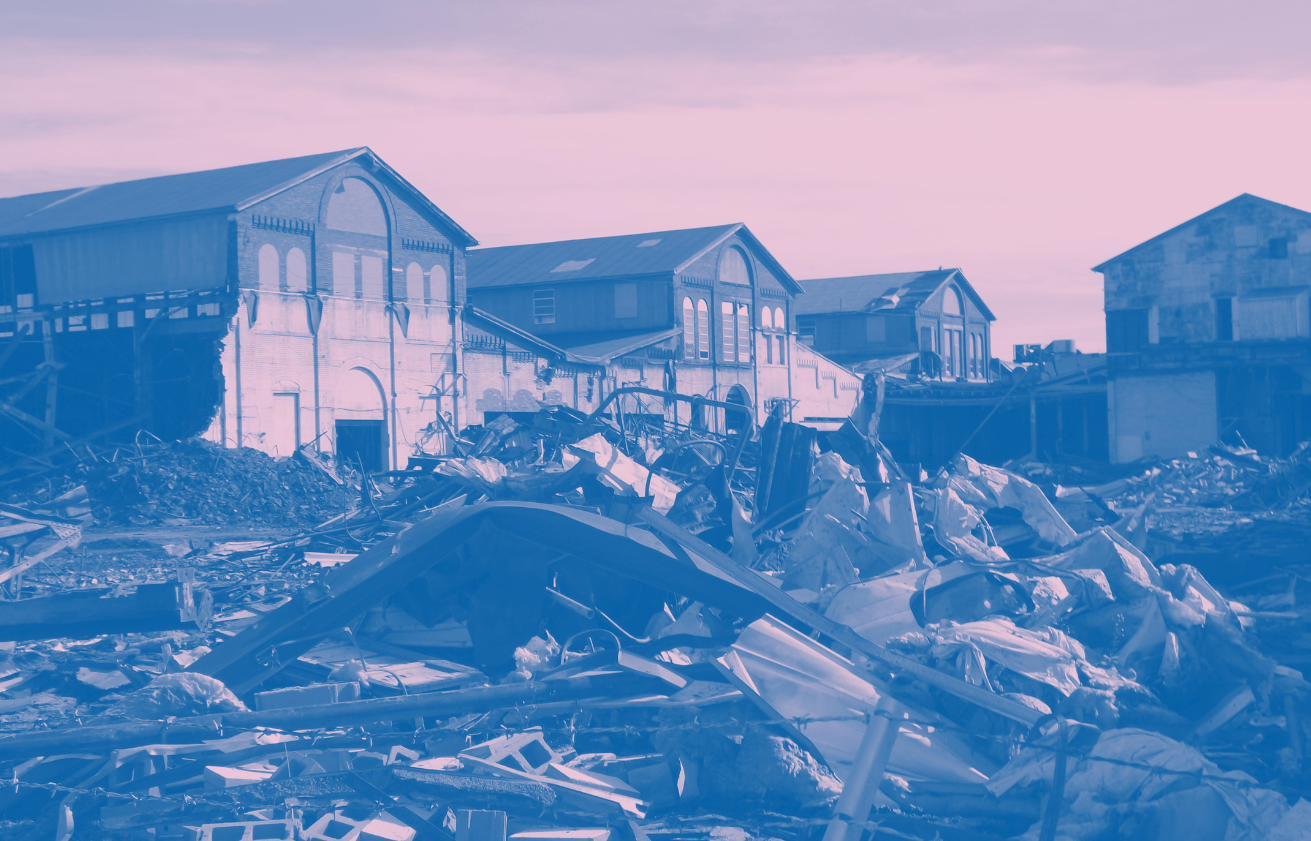
Since 2021, Ohio lawmakers have invested in the Ohio Brownfield Remediation Program to clean up old factories and other environmentally contaminated sites. However, hundreds of sites still remain across the state that are impeding housing, community, and economic development projects.
Do you support renewing the Brownfield Remediation Program at $200 million per year over the next two years in the state operating budget?
Q
Making Ohio’s Communities Attractive to Business and Investment
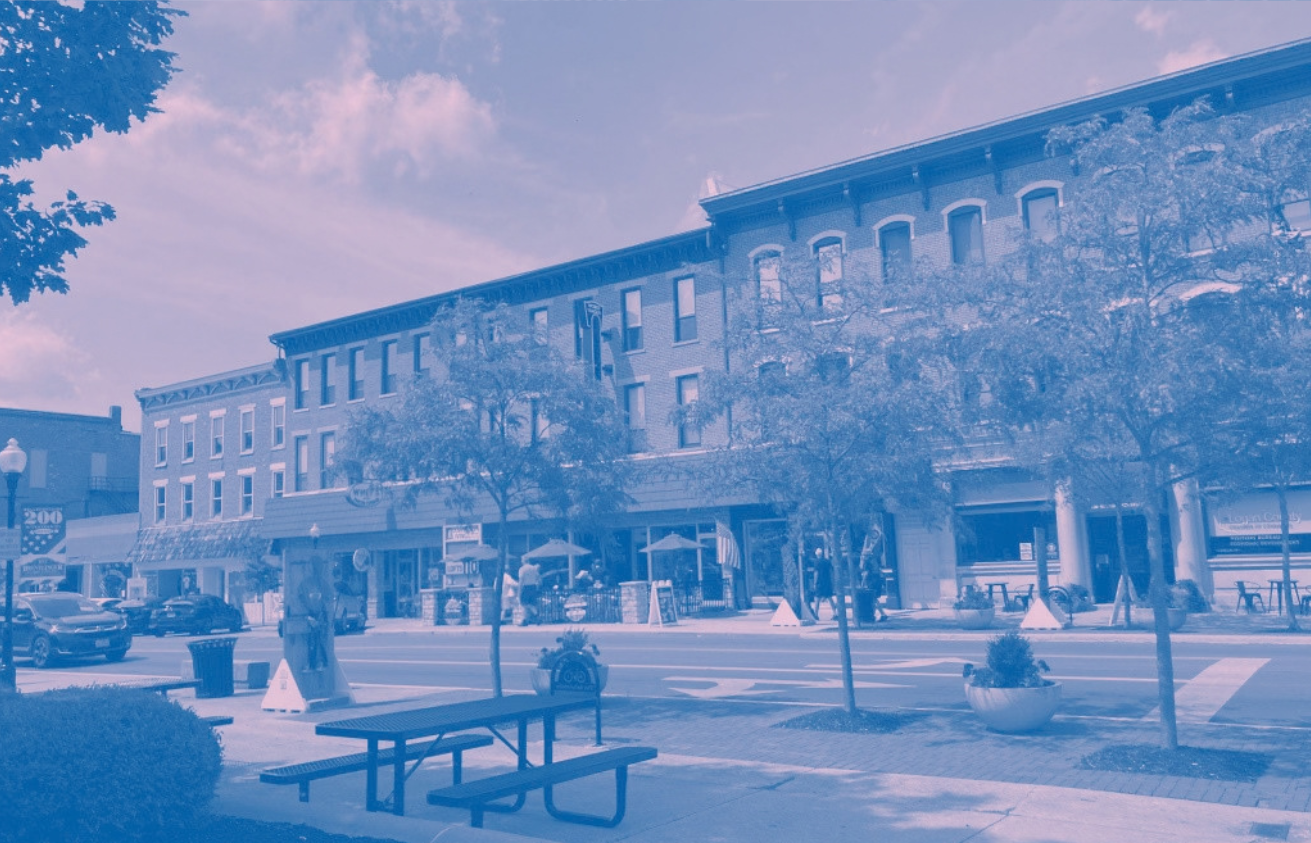
Michigan helps local municipalities modernize their planning, zoning, and development practices to be more competitive, transparent, and attractive to investors through a program called the Redevelopment Ready Communities program.
In Ohio, a similar program could allow certified communities to receive bonus points--not automatic entitlements--in competitive grant programs and qualify cities to be marketed by JobsOhio as being “open for business and housing development.”
Gubernatorial Candidates: Would you work to create a Community Readiness and Certification Program?
Legislative Candidates: Would you support the creation of a Community Readiness and Certification Program?
Q
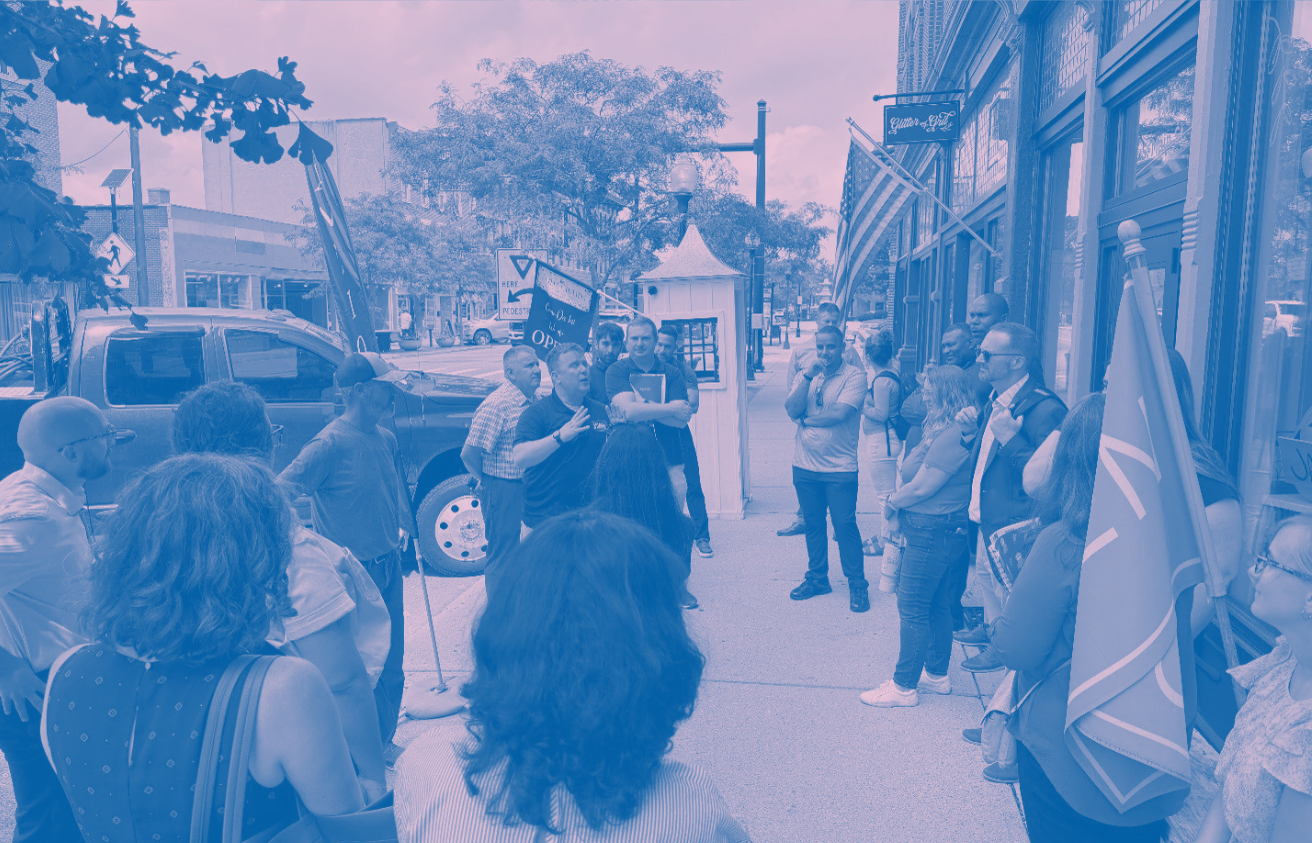
Staffing levels and expertise at the local level in Ohio is variable, with some municipalities, counties, and townships better positioned than others to seize opportunities for state investment through competitive grant programs.
If elected, would you support a review of existing programs, and through the creation of new incentives, work to improve programs to ensure all communities in Ohio can complete and contribute to Ohio’s quality of life and economic success?
Q
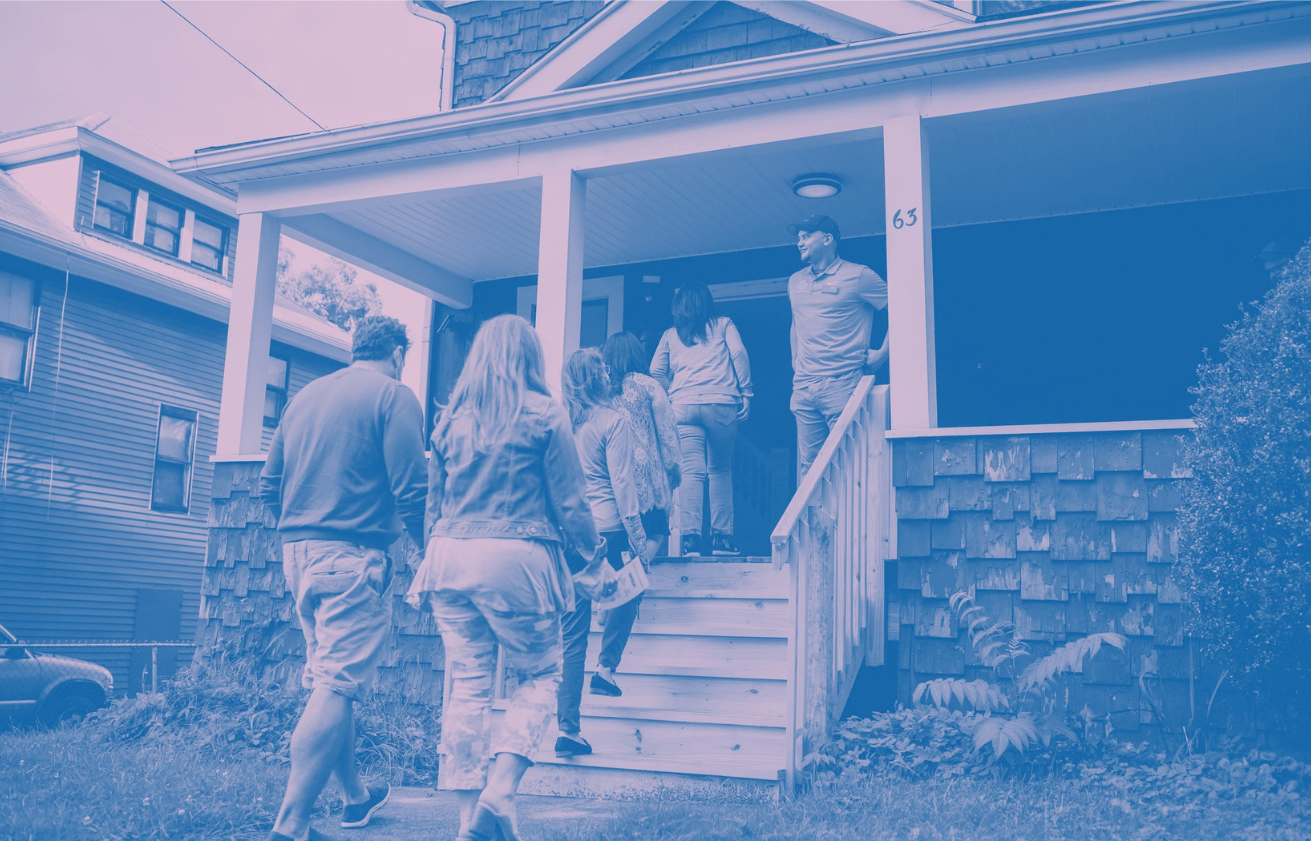
Developing Attainable Housing in Ohio
Ohio needs building codes to protect the health and safety of residents. But Ohio’s residential building codes have not kept up with innovations in the field. Texas, New Hampshire, Montana, and other states are modernizing their residential building codes to remove unnecessary mandates, lower development costs, and encourage new builds.
Will you prioritize updating Ohio’s building codes to apply the residential building codes to small-scale multifamily developments that have more than 3 units?
Would you encourage, through state programs, local zoning changes to allow for a greater variety of housing types to be easily built?
Q
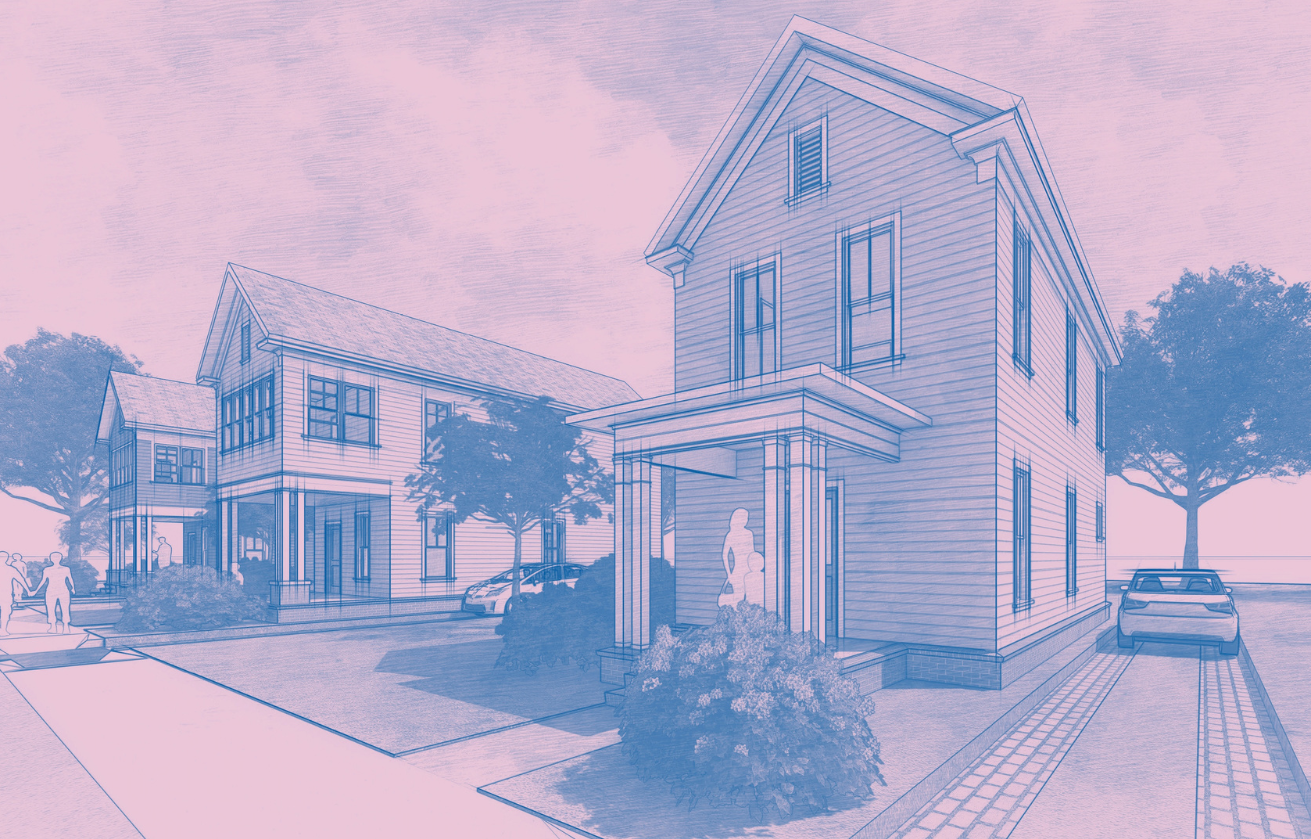
In 2025, GOPC and the Ohio REALTORS® collaboratively developed Housing Ohio: Tools for Development for use by Ohio communities. This toolkit includes tools to help develop new housing, especially in infill settings, across the state. One key tool is architectural plans that can be built anywhere in Ohio.
Would you support a state-level “pre-review” process of select architectural plans to reduce the burden on local plan inspectors?
Q
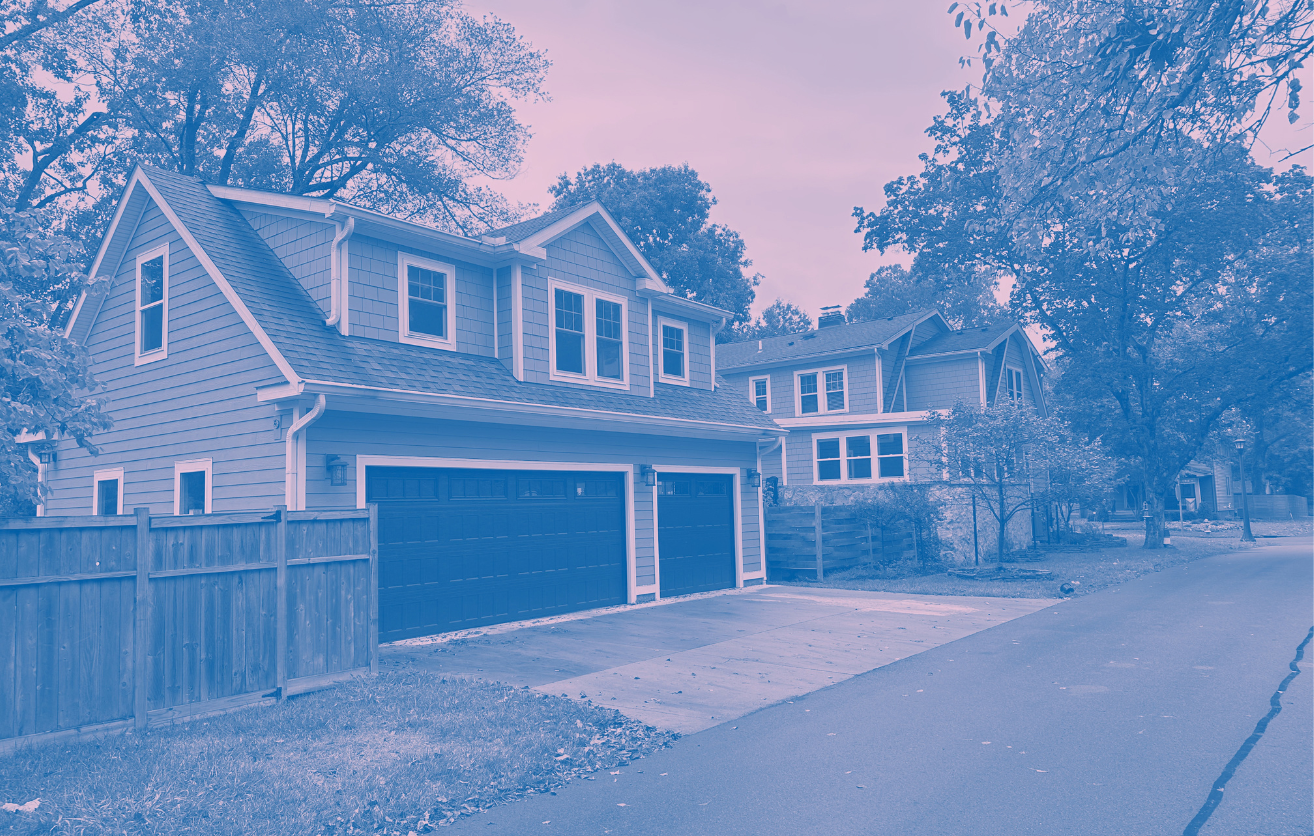
The next Governor can help increase housing production by naming a “Housing Czar” within their executive office. This position and their staff could identify existing and proposed statutes, regulations, and administrative practices that inadvertently create delays or have unintended consequences.
Gubernatorial Candidates: Will you commit to an inter-agency “Housing Czar” in your administration?
Legislative Candidates: Will you work with a “Housing Czar” to shape housing policy for the state?
Q
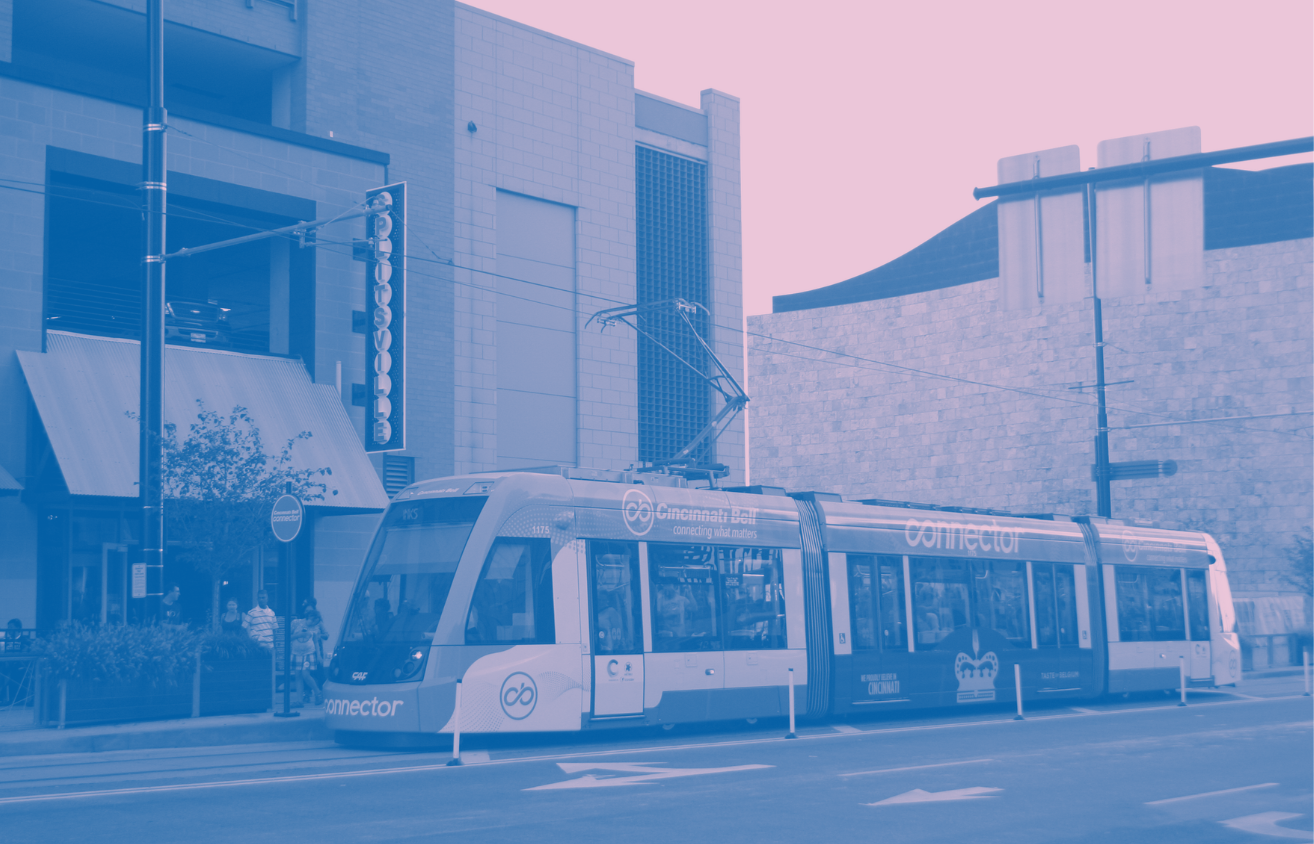
Fueling a Modern Mobility System
Highway construction and maintenance are among the largest expenditures the state of Ohio makes each year. We annually invest nearly $5 billion on the maintenance and expansion of Ohio's transportation infrastructure network. Despite increasing the state gas tax within the last decade, ODOT is expected to experience shortfalls due to rising materials and labor costs, and shrinking collections.