

Developing Housing in Ohio
Nearly every community in Ohio struggles with an insufficient inventory of quality, affordably priced homes. This creates immense pressure on the entire housing market, driving up prices and keeping the dream of homeownership from thousands of Ohioans.
The state’s primary role in housing should be to remove legal barriers, modernize housing codes, and use limited public dollars where infrastructure bottlenecks or site-preparation problems within existing communities prevent otherwise viable private development.
It is imperative for Ohio’s next Governor and General Assembly to work to create an abundant supply of housing that will help retain current Ohioans, attract back “boomerangs,” and encourage prospective employers and residents to move to Ohio.
A Blueprint for Stronger Communities Includes:
Modernizing Residential Building Codes
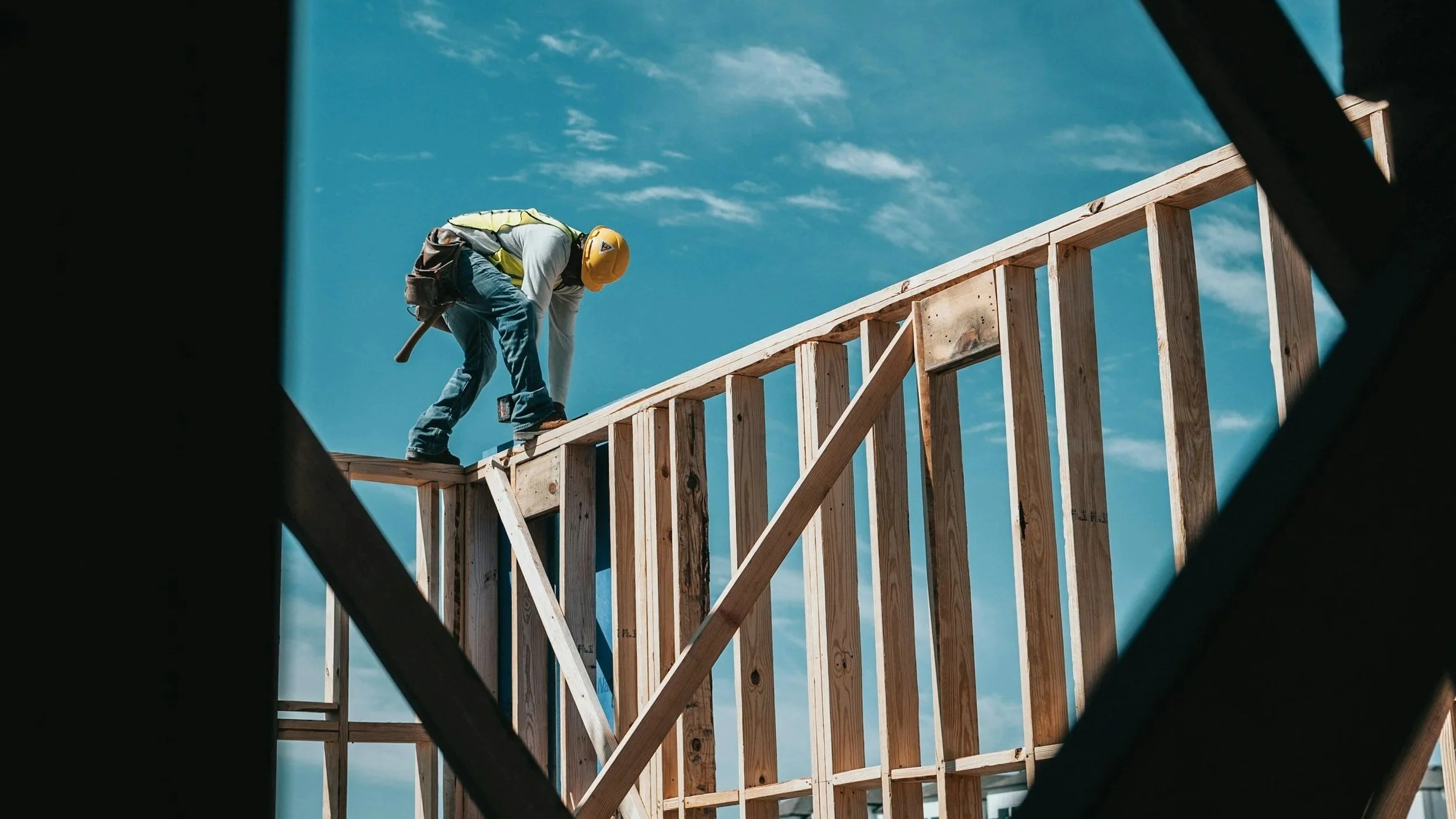
Ohio needs building codes to protect the health and safety of residents. But Ohio’s residential building codes have not kept up with innovations in the field. Texas, New Hampshire, Montana, and other states are modernizing their residential building codes to remove unnecessary mandates, lower development costs, and encourage new builds. Ohio should too.
Updates to Ohio’s residential building code should include: apply the residential code to 4 unit buildings and other small scale multi-family developments; allow apartment buildings with 3 stories or fewer to have single stairwells; establish codes specific for new types of housing, like ADUs; and other proven modernizations.
The Ohio Board of Building Standards should also review and “pre-approve” architectural plans that can be utilized anywhere in the state with a locally created and approved site plan. The library of state pre-approved plans should include single-family homes, backyard cottages, duplexes, and small multifamily dwellings.
Modernize Local Zoning Codes
Out-dated zoning adds time and costs to housing projects. In some cases, current zoning prohibits much needed housing that Ohioans want. State policymakers should offer optional, competitive incentives for local zoning modernization that result in measurable, pro-housing reforms, such as: by-right approvals, shorter review timelines, predictable fees, and updates that easily allow for smaller starter homes, ADUs, duplexes, townhomes, and small multifamily buildings.
Housing Ohio: Tools for Development
In 2025, GOPC and the Ohio REALTORS® collaborated to develop HOUSING OHIO: TOOLS FOR DEVELOPMENT for use by Ohio communities. This toolkit is designed to promote new housing production and infill development in Ohio. The toolkit aims to reduce barriers to new housing development, with a focus on revitalizing underutilized areas in established neighborhoods that already have existing homes, infrastructure, and amenities rather than promoting development at the fringe of developed areas.
Supporting the Adoption of Local Housing Pattern Books
Through the Residential Economic Development Districts (REDD) program, communities should be able to apply for technical assistance and competitively awarded grants that will enable local jurisdictions to create locally tailored housing "pattern books," or libraries of locally “preapproved” housing architectural plans. Pre-approved plans stimulate new housing development by lowering risk and costs to developers and builders.
Limiting Residential Purchases by Institutional Investors
Residential purchases by institutional real estate investors is shrinking the pool of starter homes for Ohioans who wish to be homeowners. Steps such as providing more disclosure requirements around ownership, local management requirements, state penalties for improper maintenance, and significant fees for real estate transfers between ownership groups and within ownership groups will help rein in the practice and provide greater opportunities for first-time homebuyers.
Expanding Ohio’s Residential Economic Development Districts
The “Residential Economic Development District Program” passed in 2025 is jump starting housing development around the state. Ohio should continue to grow this program by expanding the program as an opt-in incentive for jurisdictions that adopt measurable pro-production reforms, such as faster permit review, pre-approved plans, fee relief, flexible parking policy where market conditions allow, and legal pathways for modular, manufactured, duplex, townhouse, and small multifamily housing.
Making Housing an Administration-wide Priority
The next Governor can help increase housing production by naming a “Housing Czar” within their executive office. This position and their staff will identify existing and proposed statutes, regulations, and administrative practices that inadvertantly create delays, inflate costs, or block modular, manufactured, and infill housing. This position will also analyze new policy proposals across all state agencies and programs to screen for unintended consequences that could negatively impact housing preservation and development in Ohio.
Removing Barriers to Gaining Control of Tax Delinquent Properties
Properties that are delinquent on taxes and have uninterested owners can help address the housing crisis in Ohio. State policymakers can accelerate tax foreclosure and title clearing procedures for abandoned, tax-delinquent properties by authorizing county land banks and willing local governments to fund dedicated case-processing capacity within the county prosecutor’s office.