
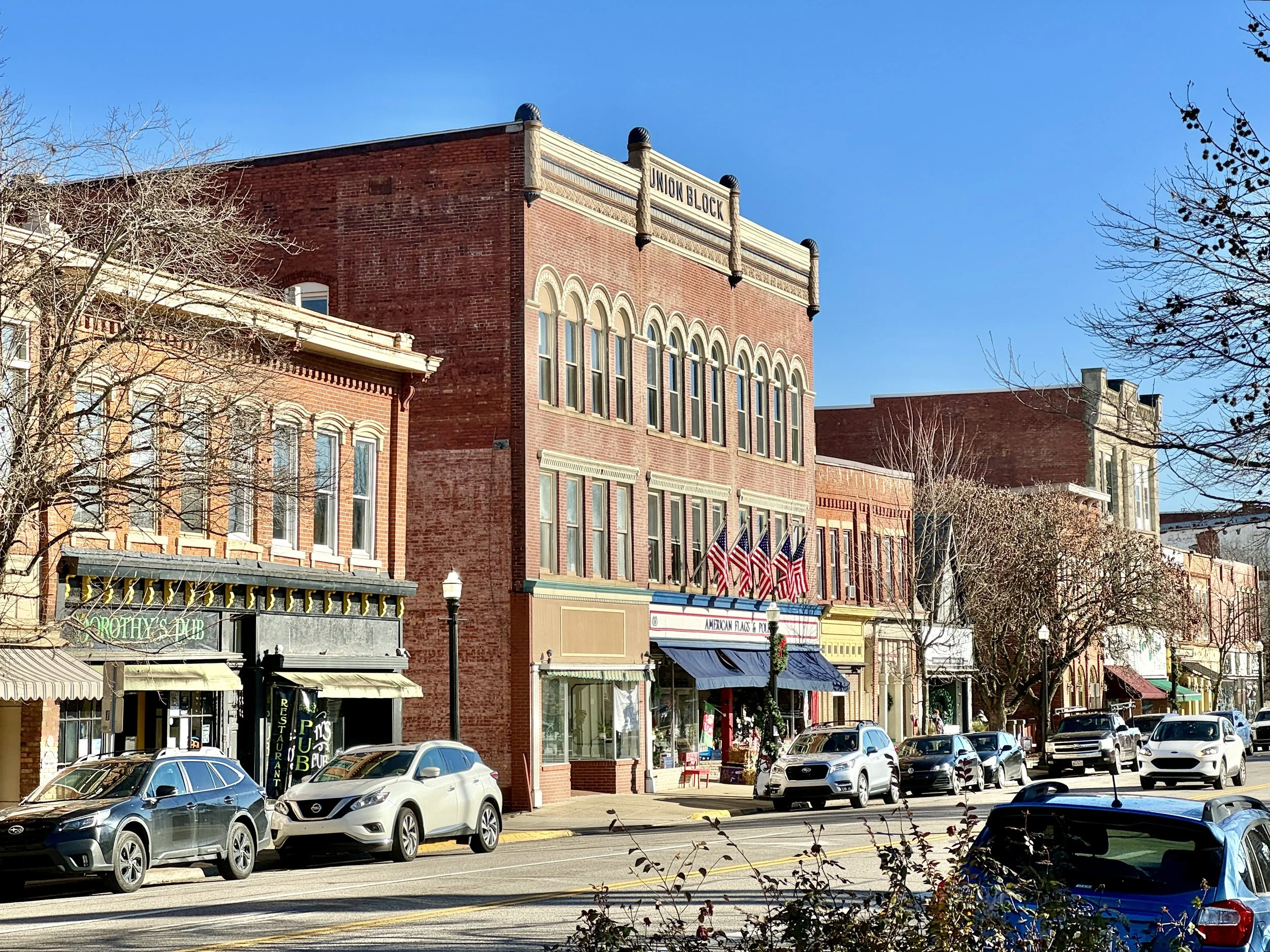
Reviving Ohio’s Legacy Places
Ohio has the 7th largest GDP in the nation, yet 59% of that economic output comes from counties that are expected to lose population by 2050.
Ohio is blessed with hundreds of historic downtowns, friendly and walkable neighborhoods, an entrepreneurial spirit, and indomitable grit. These have been, and will continue to be, the foundational blocks to strong, vibrant communities that retain and attract residents, employers, and capital.
GOPC is a recognized expert on Ohio’s legacy cities and frequently works with local leaders to make the investments needed to revive the engines of our state’s prosperity.
A Blueprint for Stronger Communities Includes:
Creating a Voluntary Redevelopment Ready Communities Program
A Community Readiness and Certification Program, modeled after Michigan’s Redevelopment Ready Communities program, can make more local governments ready for economic development. Such a program in Ohio would review communities for their expertise and preparedness in economic development, housing development, and community planning. The program would provide targeted technical assistance to help public sector staff establish the local ordinances and gain the skills today’s businesses and residents expect.
Certified communities would receive bonus points – not automatic entitlements – in competitive grant programs, and could be marketed by JobsOhio as being open for business and housing development.
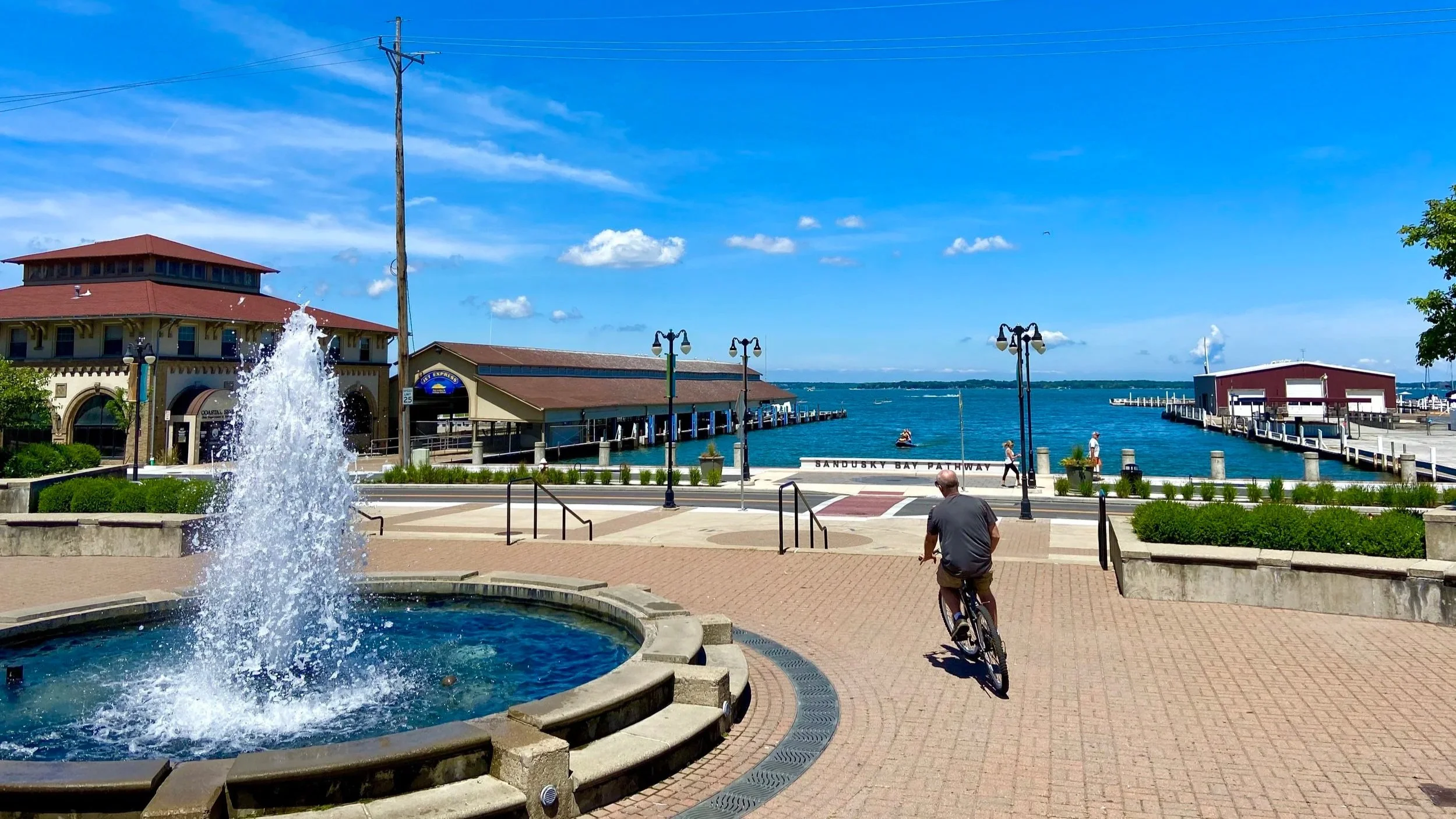
Schade Mylander Plaza in Sandusky, Ohio by T. Horsman
Piloting an Ohio Community Transformation Fund
Even in 2026, developers and entrepreneurs are unable to secure risk-tolerant, low-cost capital that is comfortable with modest real estate markets or untested businesses. Community Development Financial Institutions (CDFIs) are a type of regulated lender that offers the safe financing and intensive coaching that emerging and growing businesses and real estate developers need to succeed.
CDFIs are trusted by state agencies, such as the Ohio Department of Development and the Ohio Housing Finance Agency. A Community Transformation Fund would build on those successes and provide CDFIs with the seed dollars needed to accelerate new housing development, the revitalization of older commercial corridors, new start-ups, business expansion and even homebuyer mortgages.
Accounting for Local Capacity when Designing State Programs
Staffing levels and expertise at the local level in Ohio is variable, with some municipalities, counties, and townships better positioned than others to seize opportunities for state investment. As policymakers review existing programs and create new ones, they should direct administrating agencies to thoughtfully consider the information the agency needs and application timelines. Pacing application due dates, streamlining required application information, and potentially designing programs to match resources to different types of communities, will help ensure all communities in Ohio can compete and contribute to Ohio’s quality of life and economic success.